The Festival of India in Coonoor: A month-long curated exhibition in Coonoor, celebrates timeless crafts and textiles from across the country

On a misty evening at Coonoor, in the heart of the Nilgiris, I step into Respect Origins’ Crafts Bazaar for an exclusive preview of The Festival of India, a curated showcase of timeless crafts and textiles from across the country. As the doors open, a profusion of colours and textures floods the senses. As I move past a collection of Kashmiri Kani suits adorned with intricate Kashida and Kani embroidery, Kantha work from West Bengal, the traditional hand-embroidering craft that uses simple running stitches to create historical and cultural motifs, commands attention. Nearby are pure wool and Pashmina from Ladakh, Manipur baskets made from razor-sharp grasses, terracotta and pottery from Tamil Nadu and Kerala, and Ajrak block prints rendered in natural dyes. Each piece is a celebration of history and traditions.

A little further away, rows of elegant tops and saris come into view with delicate Chikankari sharing space with Kasuti, Karnataka’s folk embroidery. Alongside are Lambani tribal jewellery, hand-beaten brass coasters from Gujarat, and a thoughtfully chosen selection of food-grade stainless steel kitchenware from Uttar Pradesh.
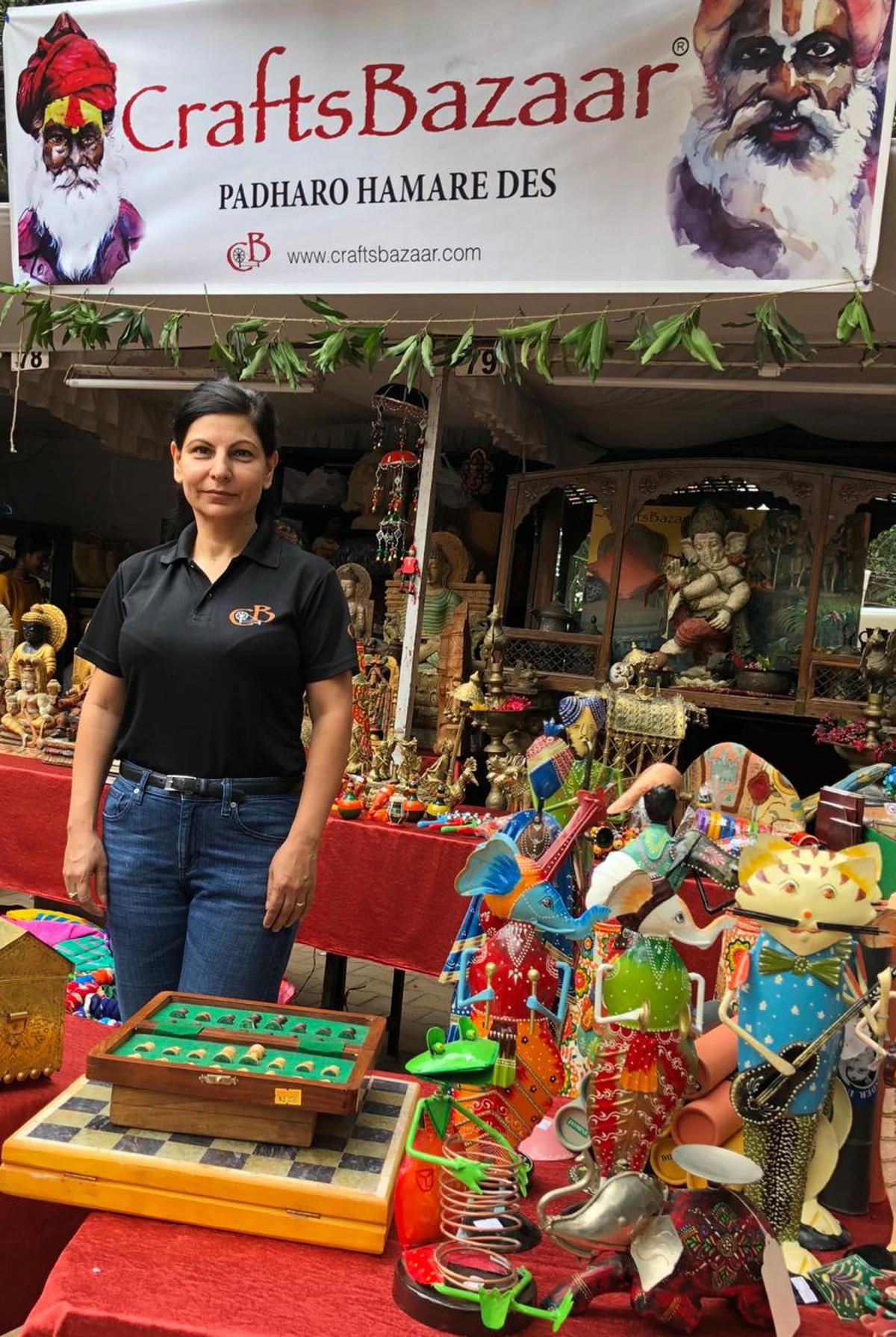
Aparna Challu, entrepreneur and founder of CraftsBazaar, The Festival of India, and Respect Origins
| Photo Credit:
Special Arrangement
“I want people to walk in and say — wow, this is India,” says Aparna Challu, entrepreneur and founder of CraftsBazaar, The Festival of India, a platform dedicated to empowering rural artisans in India by connecting them with global consumers. Respect Origins is its online platform, a marketplace for rural artisans.

Based in Bengaluru, Aparna has a global career background, which includes launching successful green trade operations in the UK and Europe before returning to India. She has been awarded with the Mahatma Gandhi Samman, the Priyadarshini Award, the Amazon Sambhav, and MSME Entrepreneur to name a few for her work in rural inclusivity, sustainability, creating equal economic and gender opportunities, and preserving India’s rich arts and crafts traditions in a model global context. “Winning awards is gratifying, but recognition has never been the goal. This kind of work can never be driven by commercial gain alone,” she says, adding, “It has to come from the heart.”
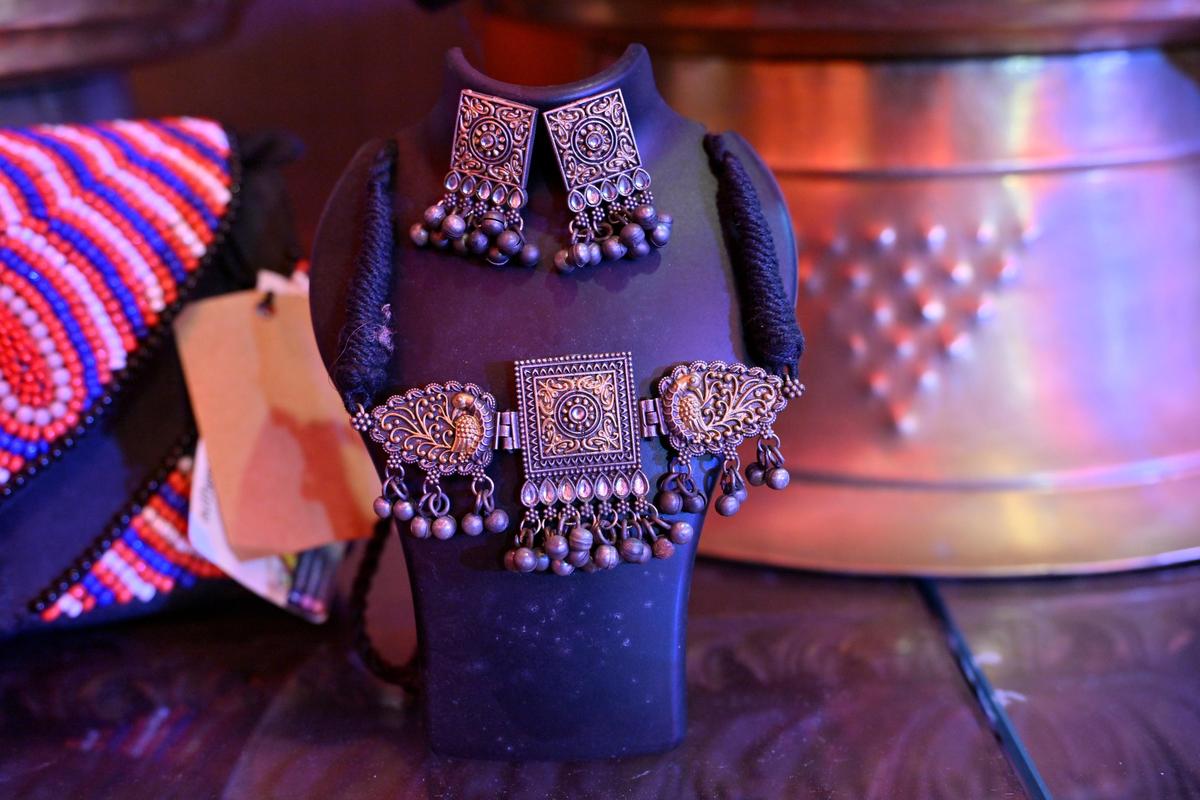
A curated collection of jewellery at the showcase
| Photo Credit:
SATHYAMOORTHY M
The idea of rural inclusivity began much earlier, shaped by a childhood spent moving across India due to an armed forces background. “Every year or year-and-a-half, we moved. Sometimes to small towns like Ozar, places nobody even knew how to reach then. There were no highways. You travelled by buses and trains. You became part of the local culture.” That connection became the foundation of Respect Origins. “Back then, there was no concept of rural and urban. There was just India,” she says and pauses to add, “ People farmed, wove baskets, made pottery, stitched garments, often seasonally while farming. Craft was a way of life. Knowledge passed on through observation, repetition, and memory.”

She started Respect Origins informally in 2015, originally as CraftsBazaar. For over a year, she travelled across India documenting crafts, long before information was readily available online. Her background in technology, combined with years spent working abroad, sparked a critical insight. “In the West, indigenous work is respected. Be it the farmer’s markets, handwoven textiles or needlepoint, people treasure these things. Somewhere along our development journey, we stopped valuing what came from our own soil. Our platform became a bridge, not a marketplace alone, but an ecosystem, where artisans are supported from start to finish.”
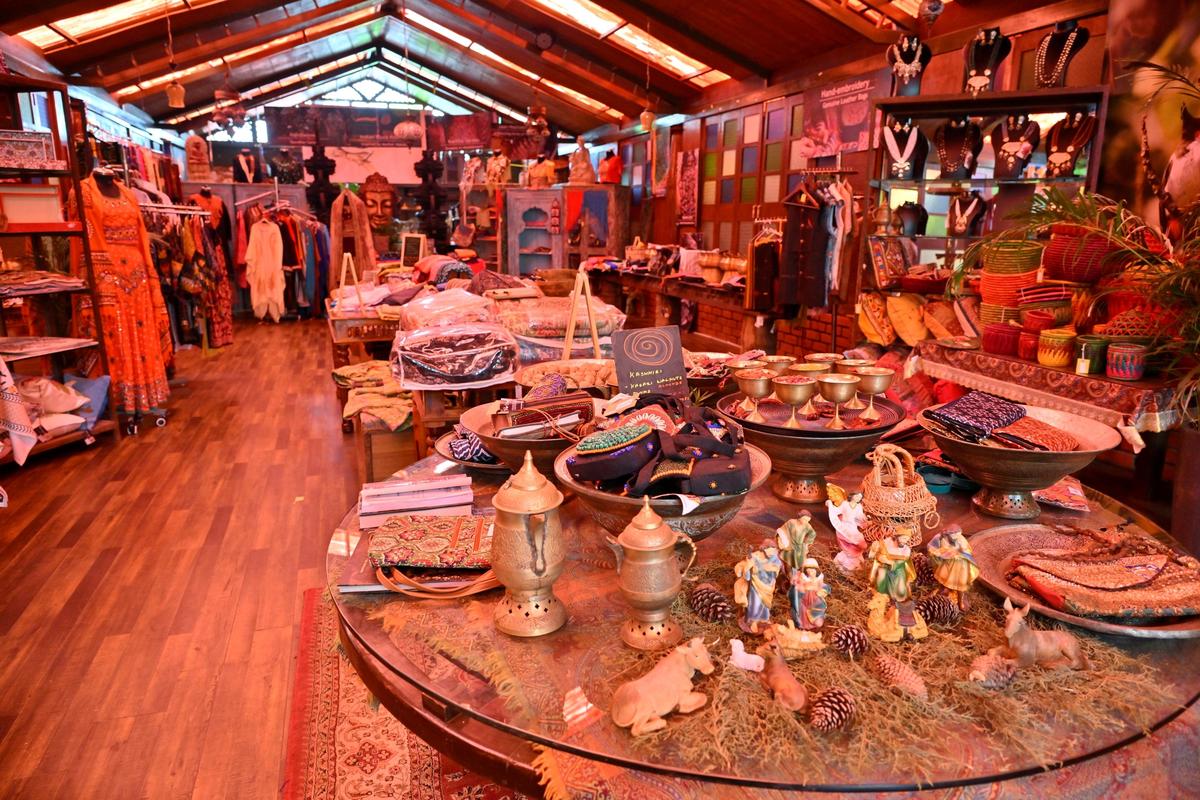
Respect Origin platform is an ecosystem, where artisans are supported from start to finish
| Photo Credit:
SATHYAMOORTHY M
It offers help in product innovations without diluting authenticity, setting up bank accounts, GST compliance, sustainable packaging, logistics, and quality control in addition to access to buyers, retailers, and exporters. “The ownership must remain with those who produce, not those who sell,” she explains, adding that a newly migrated technology platform is being tested for international currencies, signalling the next phase of global access, without compromising artisan ownership.

Globalisation, she says, shut out millions of artisans who did not speak English, use computers, or navigate digital platforms, despite being skilled and deeply knowledgeable. “Today, if you want to buy an earthen pot, you can’t easily find one unless you’re travelling through interior roads. Imagine how difficult it is for the people who make them to sell. That dialogue between maker and buyer disappeared. And when that exchange goes, memory goes. Culture flows through memory,” says Aparna.
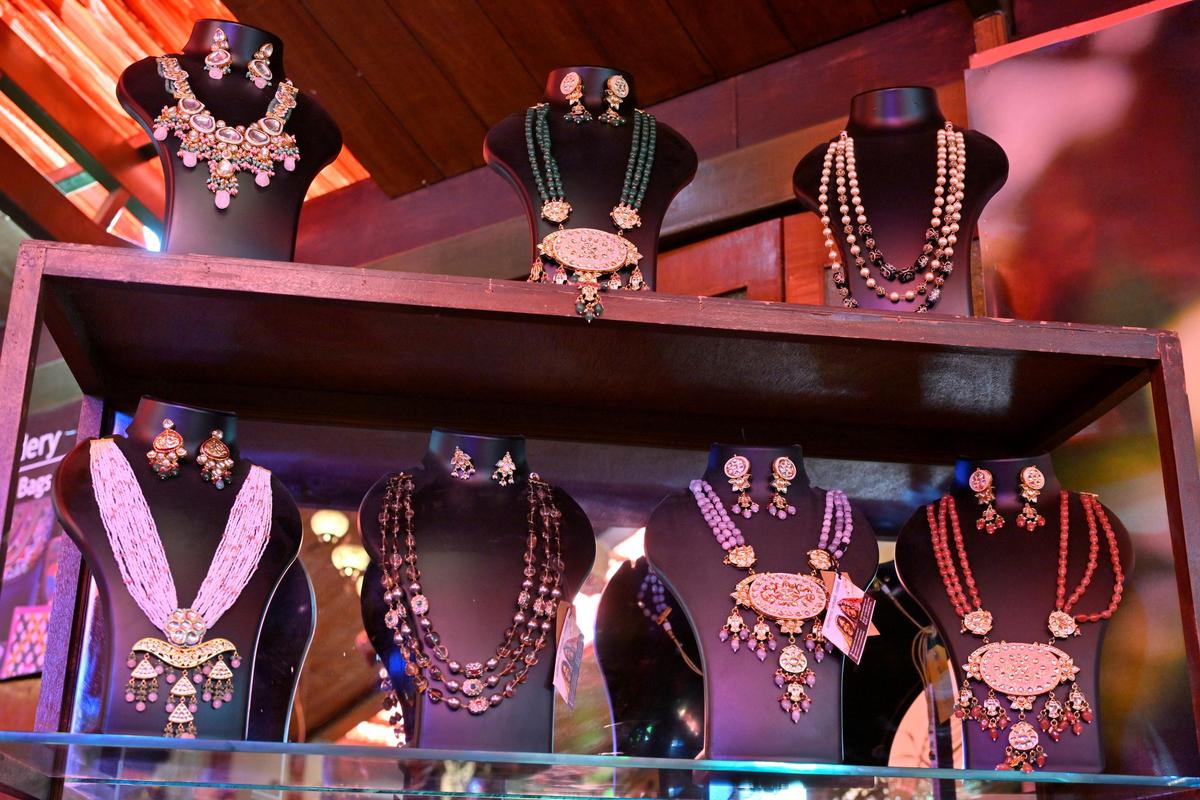
The collection includes tribal thread-and-metal jewellery to semi-precious stone pieces nfluenced by European aesthetics during the Maharaja era
| Photo Credit:
SATHYAMOORTHY M
Back to The Festival of India, a curated celebration in the Nilgiris which is intentionally different. Heavily commercialised crafts are deliberately avoided. From tribal thread-and-metal jewellery to semi-precious stone pieces influenced by European aesthetics during the Maharaja era, the collection reflects migration, history, and exchange. “It’s about showcasing the finest, what is timeless. Nothing here is buy-and-throw. Every piece carries thought, time, and memory. What people wore every day once.”
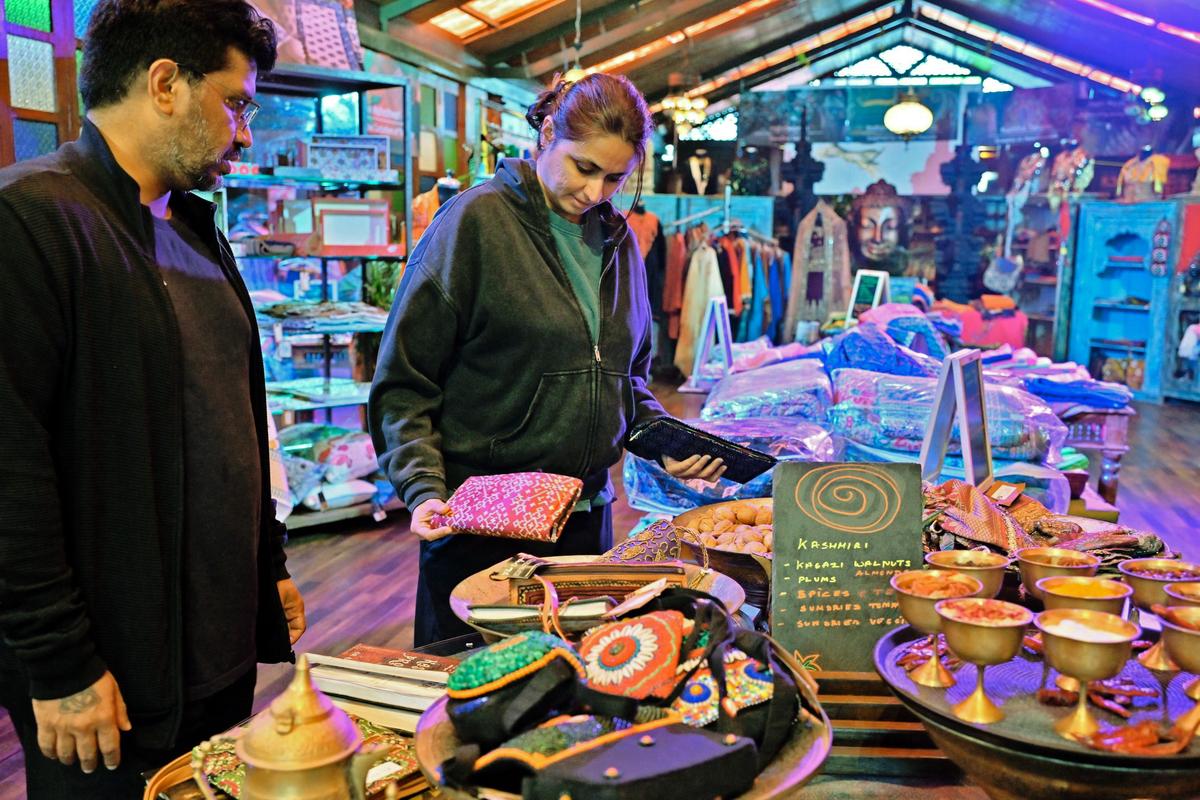
Heavily commercialised crafts are deliberately avoided
| Photo Credit:
SATHYAMOORTHY M
The next edition will focus on Indian painting traditions with artists working live, creating murals, and accepting commissioned work. She adds, “We want patrons, not just consumers. And when value is created for everyone, the maker, the buyer, the culture, you know you’re doing something right.”
The exhibition runs till January 28 at Habba Kadal, 38, Coonoor-Kattabettu-Kotagiri Road, Yedapalli,Coonoor. For more details, call 7603821537
Published – January 03, 2026 07:58 pm IST