Raj Kapoor’s Satyam Shivam Sundaram has objectification, sexism, and is patriarchal, and yet this GenZ loved Zeenat Aman-Shashi Kapoor film | Bollywood News
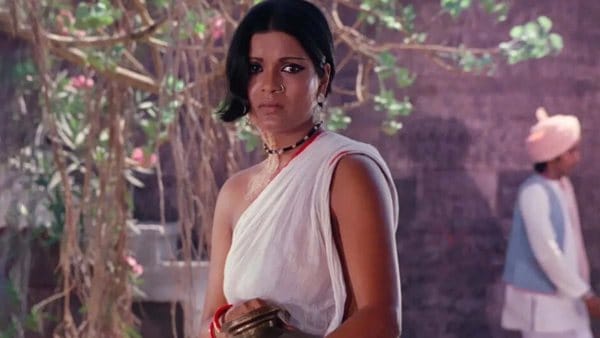
After causing an uproar in the 1970s with her first on-screen kiss, Zeenat Aman went on to bring many revolutionary changes to Hindi cinema. On the veteran actor’s birthday, I, a GenZ, watched her successful cult classic romantic drama, Satyam Shivam Sundaram, also featuring Shashi Kapoor in the lead role.
Directed and written by Raj Kapoor, the film narrated a cliched Bollywood story of an engineer named Rajeev, who falls in love with a village woman named Roopa. Impressed by her voice and assuming she would be as beautiful, he marries her. However, after marriage, he discovers her face is scarred from a childhood accident, and he rejects her. He eventually realises beauty is skin deep and Rupa is beautiful beyond her scars and returns to her.v While the very personable Shashi leads the film, it is out and out a Zeenat Aman vehicle, allowing her to shine in every frame. Here’s my GenZ review of Satyam Shivam Sundaram:
Objectification, sexism, and what not?
From 1978 to now, both the film industry and the society have changed for the better, or one would like to think so. However, you see the use of male gaze and hate a physical scarred girl gets in Satyam Shivam Sundaram — Zeenat’s character is called badsurat, muhjali, asundar. There have been a string of films that have shown the woman moving from a victim to a survivor recently, for instance Deepika Padukone in Chhapak, but we see Rupa showing any sort of female agency only once in the film — when she curses her husband after he refuses to accept that she is the same person as his lover.
For most of the film, we see her represented through a male gaze — dressed in diaphonous sarees. The film celebrates objectification of women, patriarchy, sexism, and body shaming, something we are still not rid of today; look at films such as Kabir Singh, Animal, and many others.
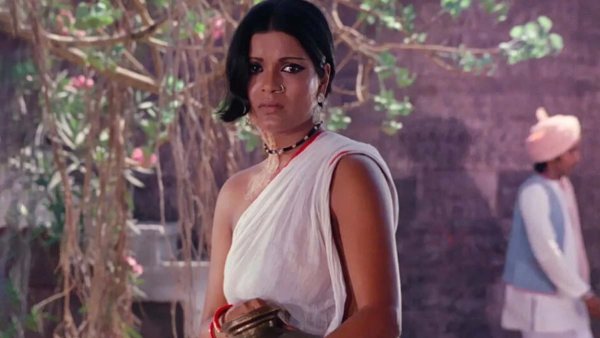 Still from Satyam Shivam Sundaram
How dumb was Rajeev?
In an attempt to show the duality of body and soul, Kapoor pushes the device of Rajeev believing that his wife and lover are different women quite thin. Because of this very reason, the second half of the film felt a bit uninteresting, making me want to skip to the climax.
ALSO READ | Loved Saiyaara? Here’s a GenZ-approved 80s romance that launched newbies Aamir Khan-Juhi Chawla into stardom
Story continues below this ad
On top of that, assuming that he is having a child with the other woman and not his own wife? The first part was way more intriguing and fascinating. Towards the end, when her father died, I wanted Rupa to take matters in her own hands, be the feminist that she should have been and put Rajeev in his place. While she does that, my satisfaction didn’t last for long because Rupa forgives him in the climax.
Music hits different
The film’s songs by Lata Mangeshkar hit a different chord altogether. Even the devotional songs, including the title track ‘Satyam Shivam Sundaram’, ‘Bhor Bhaye Panghat Pe’, and ‘Yashomati Maiyya Se’ gave goosebumps. While I am not a fan of musicals, Satyam Shivam Sundaram had magical numbers that didn’t allow me to watch them at 2x.
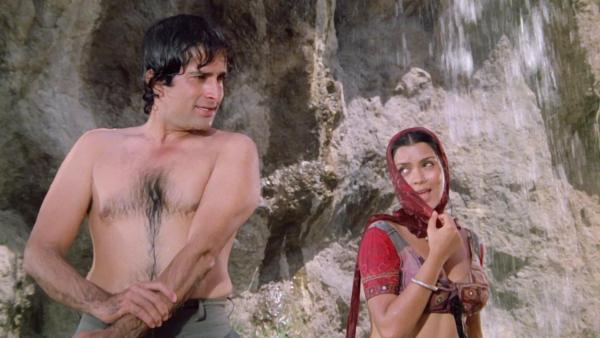 Still from Satyam Shivam Sundaram
Essence of simplicity
The essence of simplicity in singing for your loved one, keeping your parents’ happiness above anything else, and other such ethos are missing from movies nowadays. I may not agree with many of these but it hits nostalgia like nothing else. There’s a certain cultural and emotional purity in the film. Unlike the situationships DMs, and instant attraction that exist today, relationships were built on innocence, faith, and quiet emotion, which has been clearly shown in the film.
The values and emotional honesty of the characters don’t rely on complicated subplots. Moreover, the village life seen in the movie was unhurried and connected to nature – a contrast to Gen-Z’s fast-paced, digitally addicted, and overstimulated life. Its upsetting to think that something like this can never exist in films today. Besides naming a few – Masaan, Laapataa Ladies, Superboys of Malegaon, and a couple more, no film is leaning towards that nature these days. Even as a fellow GenZ, I feel that despite modernisation, the soul of films shouldn’t get lost.
Story continues below this ad
Zeenat Aman and Shashi Kapoor’s Satyam Shivam Sundaram is a must watch for all the GenZs, who are addicted to perfecting their beauty using one way or the other. Ignore the objectionable themes for a minute and watch it for its simplicity and music. Even more than the film, it’s about acknowledging the woman who made being modern possible, decades before Bollywood was ready to embrace modernity and the ideas it brought along.