Designing for mind: how Indian homes are embracing wellness-led interiors
Lokendra Ranawat
The mental-health awareness movement has achieved its highest level of recognition in the present day, yet Indian homeowners have begun to understand how their home environments directly affect their mental well-being. Vastu Shastra presents ancient knowledge which now merges with modern design methods to create homes that provide both aesthetic beauty and mental-health benefits.
Psychology of space
People use emotion-driven design concepts to create spaces that exist for purposes beyond visual appeal. Research has shown that people experience changes in their mood, stress levels and mental health when their surroundings undergo physical transformations. Colours and textures and lighting and spatial arrangements work together to create specific emotional responses in people within their residential spaces. Indian traditional architecture centres around the design of homes as sanctuary spaces which create peace between mental and physical and spiritual aspects of existence.
The holistic method of modern Indian homes establishes three design elements which create calming spaces that help people develop positive feelings. The design uses soft earthy colour palettes which replace the harsh white and selects natural materials instead of synthetic materials. The aim is to design spaces which provide both stability and comforting spaces that help people escape from urban noise.
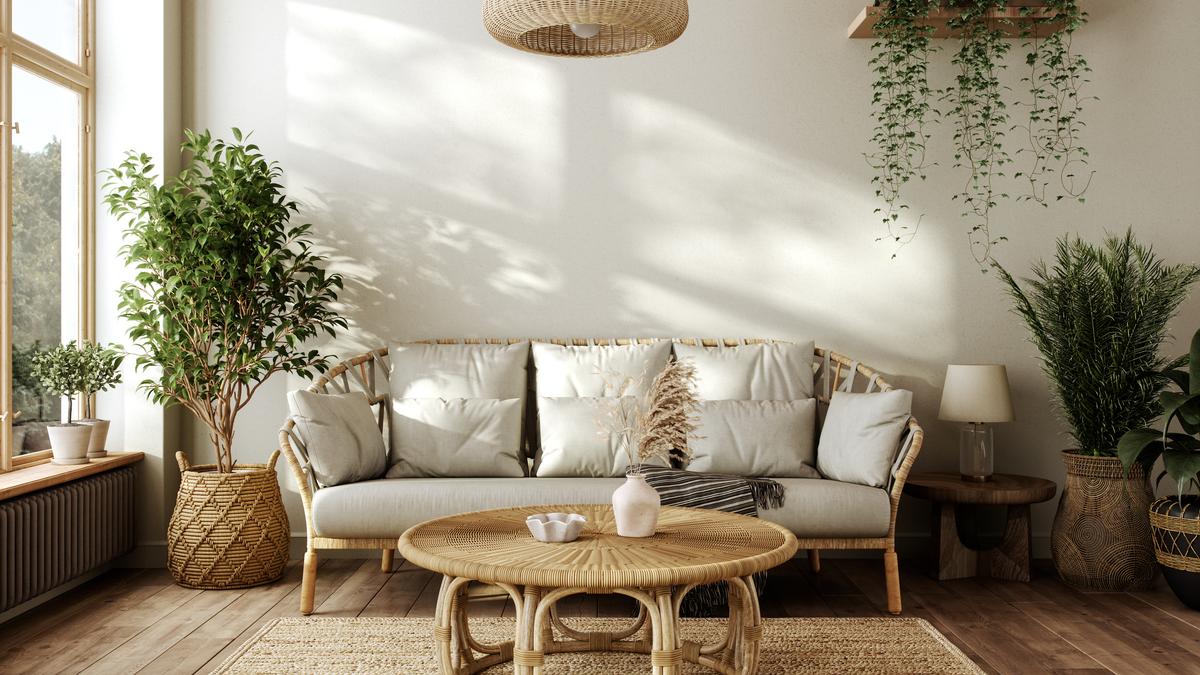
Wood has become the essential element that supports wellness-based interior design. Its natural texture and organic colour tones create an instant feeling of security which connects people to the natural world. The tactile experience of wood – its grain patterns, natural variations, and inherent warmth – triggers positive emotional responses that synthetic materials simply cannot replicate.
The Wooden Street Veda Collection exemplifies this philosophy perfectly. The collection uses traditional Indian design elements to create wood products which provide emotional value and modern functional use. The designers created each product to fulfill its functional role while enhancing the emotional atmosphere of residential spaces. The collection’s clean line design together with the use of natural material and proportionate design elements produces furniture which maintains both timelessness and comforting appeal.
The interior-design approach used in Indian homes creates separate areas which help people experience different emotional states. The design of living spaces promotes social interaction and rest through comfortable seating which facilitates chatting and relationship development. Bedrooms function as peaceful retreats which use soft lighting and natural textile materials and furniture that creates a tranquil atmosphere.
Meditation corners and prayer spaces have become common in society because people now understand that spiritual health impacts their overall mental well-being. These areas often use low-
sitting furniture, which includes natural materials and has minimal decoration to help people practise contemplation.
Thoughtful furniture
Emotion-led design requires furniture selection to extend beyond choosing between different design styles. The designers select each item because they believe it will improve emotional experiences throughout the entire area. The Veda Collection’s approach to this is particularly noteworthy. Its designers understand that furniture should feel like a natural extension of the home’s emotional ecosystem rather than mere functional objects.
The people who need storage solutions use these systems to create tidy areas that produce peacefulness which enables them to manage their cognitive burdens. Families choose dining tables based on their capacity to create shared experiences that foster family connections.
Embracing natural beauty
The Japanese wabi-sabi concept has been adopted by Indian homes because it finds beauty in all imperfect things and all temporary things. Home design requires selecting furniture and décor elements which display natural variations because handcrafting and using natural materials create distinct characteristics.
Social attitudes toward mental health are increasing demand for emotion-driven interior design, which has transformed from being a luxury element to becoming a vital requirement in residential space design. Indian households now understand that purchasing furniture and design products which enhance their health will result in better life quality.
Indian homes have evolved into wellness spaces which connect us with our traditional cultural practices and modern psychological and wellness knowledge. The Veda furniture collection together with specific design elements creates homes which effectively develop mental well-being and emotional strength.
The writer is co-founder & CEO of WoodenStreet.
Published – March 27, 2026 07:36 pm IST