West Asia turmoil sparks push to unwind large-scale use of anti-dumping duties on chemical items | Business News
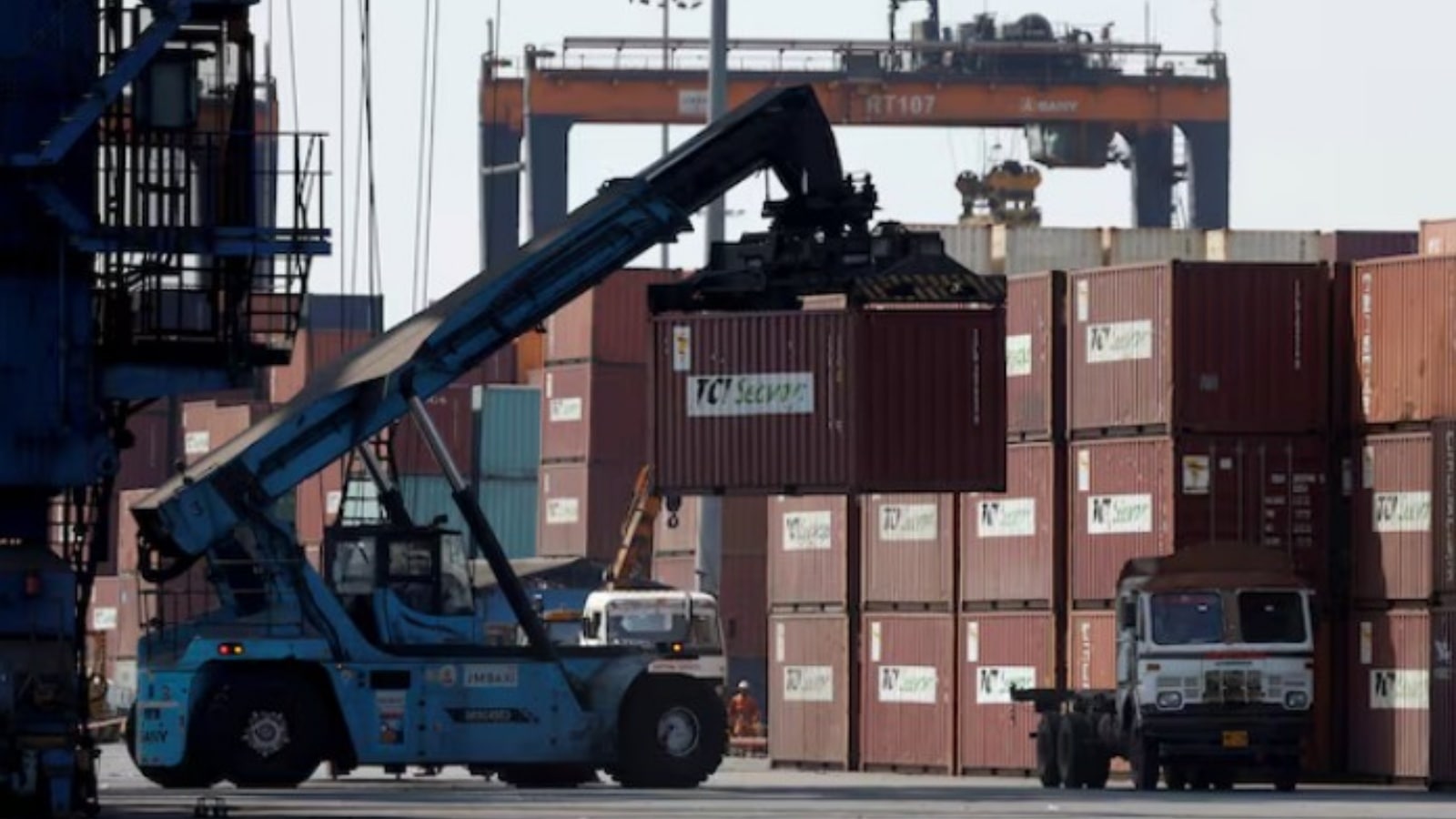
Industry associations and several government ministries have begun pushing for a suspension or pause in anti-dumping investigations into several chemical intermediaries due to a surge in prices and shortages caused by the ongoing war in West Asia.
In April, the government exempted import duty on 40 petrochemical products till June 30, but it has begun fresh stocking efforts to ensure domestic availability of key chemicals.
Many such requests are made to the Commerce and Industry Ministry by the downstream industry, such as the textiles and footwear sectors.
An official said the Textile Ministry has also asked for a pause on several anti-dumping investigations
on chemical intermediaries and deferment in anti-dumping duty investigation on input items such as elastomeric fibre yarn and viscose rayon filament yarn due to the war.
India’s chemical manufacturers are the most protected sector in the country.
An independent analysis of India’s trade policy during the last five years by the WTO Secretariat shows that 51% of all anti-dumping measures in force are related to chemical or allied industries, and Chinese products have been the top target of such investigations.
Story continues below this ad
“Between 1 January 2021 and 30 June 2025, India notified a total of 226 antidumping investigations to the WTO. Of these, 130 were notified as having resulted in affirmative determinations and in the application of antidumping measures. As of 30 June 2025, India maintained a total of 170 antidumping measures in force. China was the main subject of India’s investigations and antidumping measures in force, accounting for 36.5% and 43.8%, respectively. A total of 51% of anti-dumping measures in force pertain to products of chemical or allied industries,” the Trade Policy Review (TPR) report said.
The Indian Express had reported last week that the Department for Promotion of Industry and Internal Trade (DPIIT), in a meeting with the petrochemical industry, had asked them to “urgently respond” on the scope to indigenise the production of over 200 highly import-dependent petrochemical items.
These items cumulatively account for annual imports worth over $50 billion, and the missive from the DPIIT, issued Wednesday, comes amid the West Asia crisis that has caused price and supply-related challenges for the industry.
Most petrochemicals listed by the DPIIT were intermediate products that are used in packaging, construction, automotive, agricultural, textile and paints.
Big vs Small
Story continues below this ad
Anti-dumping investigations have been a subject of deep divide between large manufacturers and the downstream sector, as anti-dumping duties typically protect large manufacturers abroad but lead to a surge in input item prices for MSMEs across the sector. The impact of such duties on the chemical sector particularly translates to high input prices, as chemicals are used in the production of nearly 80,000 downstream products in India, as per Niti Aayog.
However, industry sources also say that China’s industrial policies are often designed to scuttle manufacturing abroad.
China, for decades, has been the world’s largest producer and exporter of multiple chemical value chains, from petrochemicals and polymers to fibres and intermediates, posing a challenge for countries globally.
Anti-dumping duties, quality control orders (QCOs) and other such measures are artificial interventions, and MSMEs have to bear the cost as these things make us uncompetitive, Anil Bhardwaj, Secretary General, Federation of Indian Micro and Small & Medium Enterprises (FISME) said, adding that these interventions are driven by political motivations and not economic logic.
Story continues below this ad
“Anti-dumping duties and QCOs should be the last resort and should be used for a short period of time. But in India, it is used unabated on petrochemicals, plastics and even raw materials such as copper and aluminium. Due to these interventions, we have even become a net importer of auto components because raw materials have become expensive,” Bhardwaj said.
Structural challenges
As per Niti Aayog figures, the chemical base in India has seen erosion due to a surge in cheap imports from China. According to a report released last year, Niti said that India imported chemicals worth $75 billion compared to exports worth $44 billion, accounting for a trade deficit of around $31 billion.
“Back in the year 2000, India had a net zero trade balance. Rising imports of plastics, inorganics and chemicals have since caused a growing deficit over time. Heavy domestic reliance on petrochemicals, too, contributes substantially to the trade imbalance,” the Niti report said.
Niti said that with a market size of approximately $220 billion in 2023, India’s chemical sector is poised to grow exponentially, reaching around $400 to 450 billion by 2030 and $850 to 1,000 billion by 2040 and that India is currently the world’s sixth-largest and Asia’s third largest producer of chemicals, supplying essential raw materials to industries such as pharmaceuticals, textiles, automotive, and agriculture.
Story continues below this ad
“Despite its strengths, India’s participation in the global chemicals market remains relatively modest, accounting for only 3 to 3.5 per cent of global consumption in 2023. For instance, India’s petrochemical industry has traditionally emphasised the production of bulk, commodity-grade polymers and chemicals, a trend reflected in the current utilisation patterns of key feedstocks,” the report released last year said.
An overwhelming share of India’s propylene and ethylene is directed toward polypropylene and polyethylene production, respectively—significantly higher than global averages, it said. Similar disparities exist across other critical feedstocks such as benzene and butadiene, which are predominantly channelled into basic derivatives rather than more advanced, value-added chemicals, the report said.
“This focus on upstream, large-volume outputs has led to limited diversification into speciality and high-value downstream products, thereby constraining the sector’s global competitiveness. To realign the industry with international trends and unlock its full potential, there is a growing need for strategic interventions,” the think tank said.